


Blog
Combatting COVID-19 with Regular Hygiene

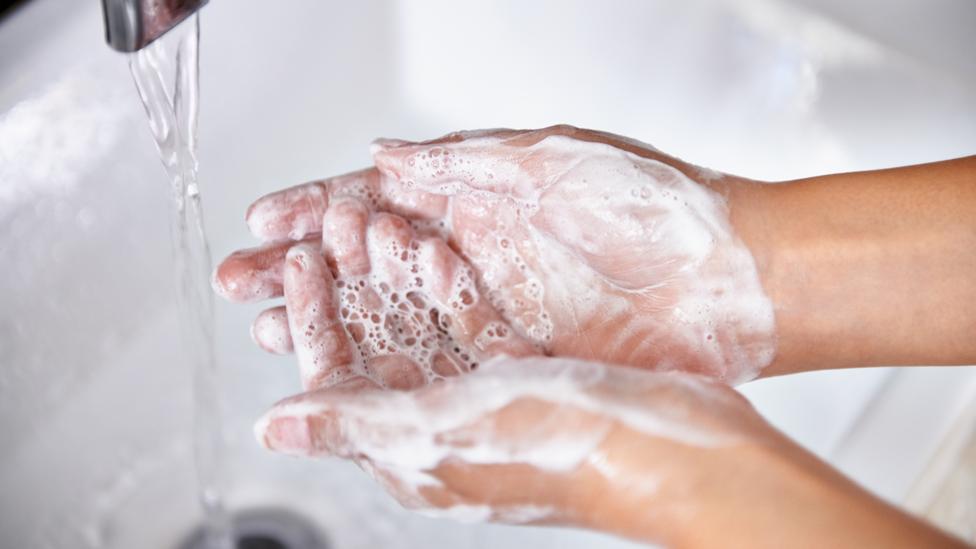
To prevent the spread of the coronavirus (COVID-19), wash your hands frequently and thoroughly with water and liquid soap (synthetic). You can also use alcohol-based disinfectants if water is unavailable, but liquid soap remains the best choice because it is highly effective. One of the reasons the World Health Organization (WHO) and Italian institutions recommend liquid soaps is explained below.
Liquid soap molecules in water behave like negative ions and consist of two parts: a “tail” formed by hydrogen and carbon atoms (named for its elongated structure) and a “negatively charged head.”
The tail is hydrophobic, meaning it repels water, while the head is hydrophilic: its negative charge attracts the hydrogen atoms of water molecules, allowing soap and water to mix. At a molecular level, soap molecules form small spheres called micelles: the outer surface is composed of the hydrophilic heads, while the hydrophobic tails stay inside the spheres to “escape” the water.
When soap and water come into contact with other substances, such as dirt on your hands, the dirt—being a fatty substance—is incorporated into the micelles. Hydrophobic substances are generally lipophilic (fat-loving): the hydrophobic tails of the soap surround the dirt, while the hydrophilic heads remain on the outside.
A simple way to observe micelle formation is with a glass, water, oil, and dish soap. If you pour oil into water, the two substances do not mix. By adding detergent and stirring, you will see the oil stay in the water but broken down into many tiny spheres.
How a micelle is made and functions Washing hands with liquid soap eliminates viruses and bacteria attached to accumulated dirt. Alcohol-based disinfectants work differently: they inactivate viruses, but they may not work effectively if your hands are very dirty. In that case, it is better to find a sink with running water and liquid soap. Wash all parts of your hands thoroughly (at least two washes of 30 seconds each). When you rinse, the soap, dirt, viruses, and bacteria are washed away.
The same concept applies to hard surfaces: the stronger the degreasing action of a product, the more effectively it removes viruses and bacteria.


